Some fabrics resist fraying for years, while others begin unraveling after only moderate use.
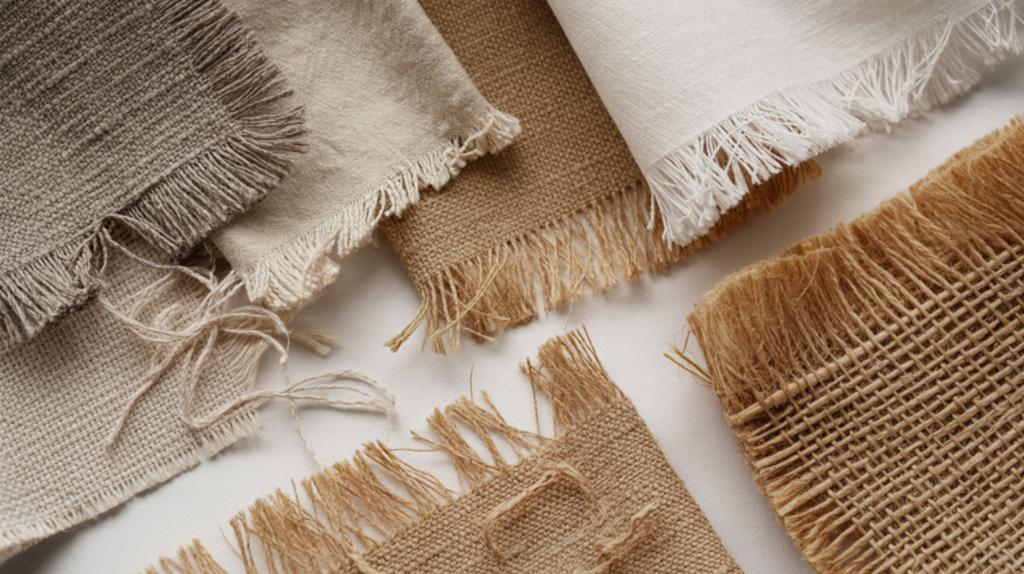
The difference lies in fiber structure, weave tightness, and how each textile responds to stress.
This article explains which fabrics fray the fastest and why their construction makes them more vulnerable.
Why Some Fabrics Fray Faster Than Others
Fabric strength comes from how tightly fibers lock together.
Loose weaves and smooth fibers separate more easily when stressed, while dense or textured fibers grip each other more firmly.
When daily movement and friction combine with weaker structure, fraying accelerates.
This is the same gradual breakdown described in why fabric frays over time, where repeated stress slowly weakens fiber bonds.
Fabrics That Commonly Fray the Most
Certain materials are naturally more prone to fraying because of their internal structure and surface behavior.
Cotton with loose weaves.
Linen with stiff, brittle fibers.
Silk with smooth filament threads.
Rayon and viscose with delicate regenerated fibers.
Denim when edges are left unfinished.
Wool with loosely spun yarns.
Chiffon, georgette, and other sheer fabrics.
These fabrics contain fibers that slip, split, or break apart more easily under movement and abrasion.
Understanding the early warning signs of this breakdown becomes easier when reading how to identify early signs of fraying, where subtle damage patterns are explained.
Why Synthetic Fabrics Behave Differently
Synthetic fibers like polyester and nylon are engineered for strength, yet they can still fray when woven loosely or cut without reinforcement.
In fact, when it comes to blended textiles, polyester can fray when exposed edges lack structural support, especially in lightweight garments.
Natural and synthetic fibers may differ chemically, but mechanical stress affects both in similar ways.
How Fabric Construction Influences Fraying
Fabric construction often matters more than fiber type.
Tight weaves resist fraying.
Loose weaves surrender quickly.
Short staple fibers shed faster than long continuous filaments.
The mechanics behind this behavior connect directly to what is fabric fraying, where fiber separation begins the unraveling process.
The Emotional Side of Fragile Fabrics
There is a special kind of caution that comes with delicate fabrics.
A silk blouse, a flowing chiffon dress, or a favorite linen shirt feels beautiful yet vulnerable.
Understanding which fabrics fray easily allows you to treat them with the care they quietly deserve.
Closing Perspective
Fabrics fray at different speeds depending on fiber type, weave structure, and exposure to stress.
Loose, delicate, and smooth fibers separate more easily, while dense and textured constructions resist damage longer.
Knowing which fabrics fray the most helps you protect your clothing, extend its life, and preserve the things you wear with intention.