Fabric rarely fails without warning.
Before threads unravel and seams weaken, small signals appear in the texture and behavior of the cloth.
Learning to recognize these early signs allows you to protect garments while they are still easy to save.
Why Early Detection Matters
Fraying begins quietly inside the fabric structure.
At first, the damage is microscopic.
Over time, those changes reach the surface and become visible.
The sooner you notice the warning signs, the easier it becomes to slow the breakdown described in why fabric frays over time and preserve the integrity of the textile.
Common Early Signs of Fraying
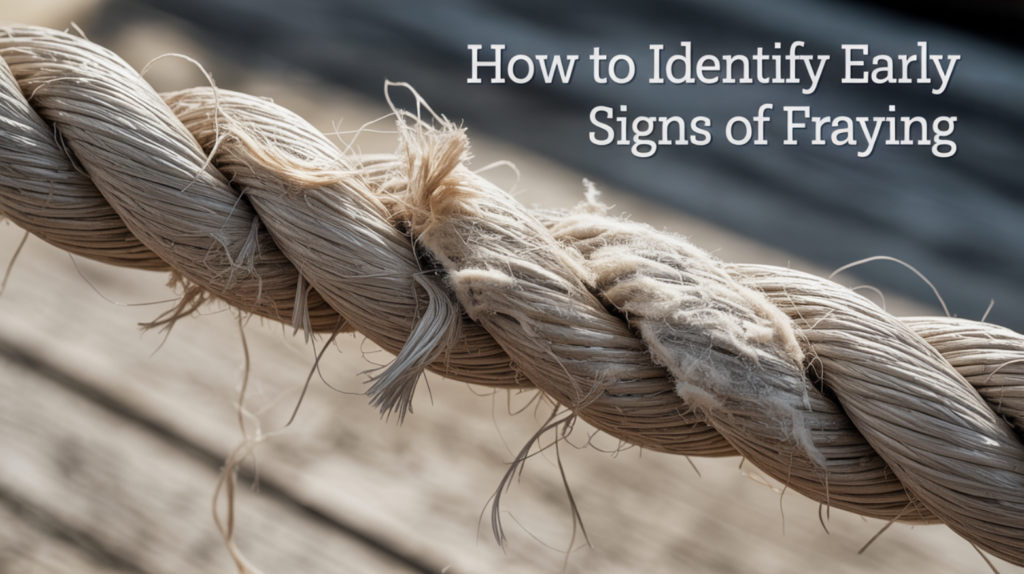
As fibers loosen, the fabric starts sending subtle signals.
Fine loose threads along edges.
Fuzzy halos around seams.
Thinning fabric at stress points.
Small loops forming near hems.
Uneven texture where the weave once felt smooth.
These changes reflect the same fiber separation process explained in what is fabric fraying, where internal structure begins to weaken before visible damage appears.
Where to Look First
Certain areas reveal damage earlier than others because they experience the highest stress.
Hems brushing the floor.
Cuffs rubbing against surfaces.
Collars bending repeatedly.
Pocket openings carrying weight.
Seat seams absorbing pressure.
These zones mirror the patterns discussed in what causes fabric edges to fray, where exposed fibers lose stability faster.
How Fabric Type Influences Early Fraying
Some fabrics display warning signs sooner due to their structure.
Loose cotton shedding fibers.
Linen forming brittle thread ends.
Silk showing fine filament breaks.
Rayon developing surface fuzz.
Sheer fabrics thinning near seams.
This vulnerability reflects the fabric behavior outlined in types of fabric that fray the most, where fiber construction determines durability.
The Quiet Advantage of Paying Attention
Catching fraying early creates a feeling of calm control.
Instead of reacting to damage, you prevent it.
A small trim, reinforcement, or stitch can extend a garment’s life by months or years.
There is something deeply satisfying about preserving what you love through awareness alone.
Closing Perspective
Early fraying reveals itself through subtle changes in texture, threads, and fabric behavior.
By recognizing these signals, you gain the power to slow deterioration, strengthen vulnerable areas, and protect your clothing long before serious damage appears.