Fabric fraying is the gradual breakdown of threads along the edges or surface of a textile caused by tension, movement, and repeated contact.
When fabric is used, whether on clothing, furniture, flooring, or outdoor gear, the fibers experience stress, and over time this stress loosens the weave and releases individual threads.
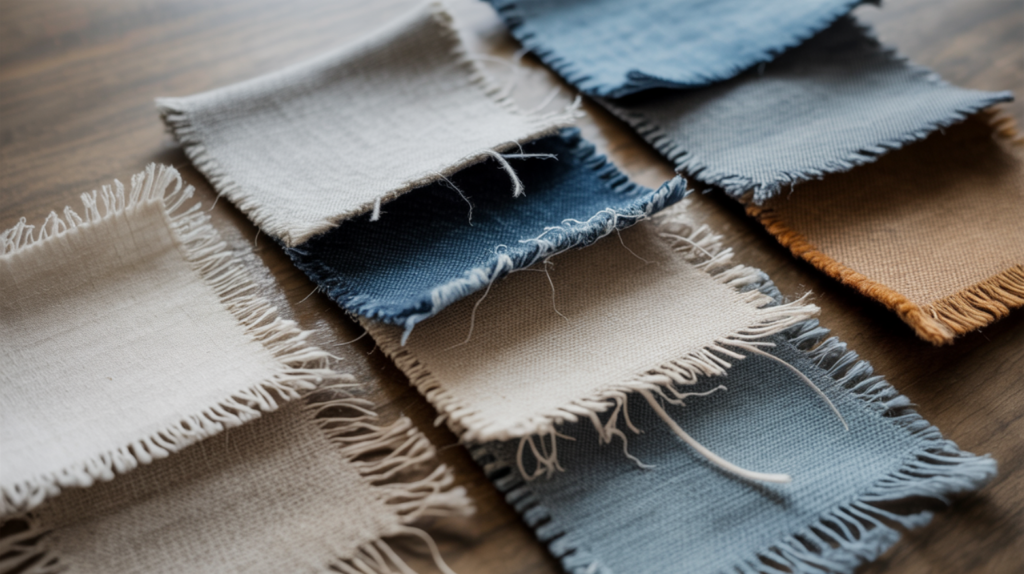
This guide explains how fabric fraying behaves differently depending on how the fabric is used.
Understanding this allows you to prevent damage, extend product life, and choose the right materials for each situation.
At FabricFraying.help, this page serves as the central reference point for all real-world fraying scenarios.
Why Fabric Fraying Depends on Use
Every fabric begins as a woven structure of fibers.
That structure interacts with movement, weight, moisture, friction, and temperature.
As a result, fraying does not occur randomly, it follows the pattern of how the fabric is used.
For example, clothing experiences constant motion and washing cycles, while carpet endures foot traffic and embedded dirt.
Each environment creates its own fraying behavior, and each requires a different prevention strategy.
This use-based approach allows you to identify problems earlier and solve them more effectively.
Main Fraying Use Cases
Below are the most common real-world situations where fabric fraying develops.
Each link leads to a detailed guide covering causes, early warning signs, and practical prevention methods.
Clothing & Wearables
Clothing fibers experience daily motion, laundering, and contact with skin and other materials.
Home Furniture & Interior Fabrics
Upholstery and curtains encounter continuous friction and environmental exposure inside living spaces.
Household Textiles & Bedding
Bedding endures repeated washing, stretching, and body movement every night.
Flooring & Heavy-Use Surfaces
Carpet fibers experience crushing pressure, abrasion, and contamination from dust and debris.
Outdoor & Environmental Exposure
Outdoor fabrics face sunlight, moisture, wind, and temperature shifts that accelerate fiber breakdown.
How These Use Cases Interact With Material Type
While usage drives fraying behavior, material choice amplifies or reduces that effect.
For example, in high-movement environments, tightly woven fibers hold structure longer, while loosely woven fabrics unravel faster.
Similarly, when it comes to weather exposure, polyester can fray differently than natural fibers because its synthetic structure resists moisture but reacts to UV radiation.
This interaction between material + use is what truly determines fabric longevity.
How This Pillar Fits the Larger Fabric Fraying System
This page works alongside foundational knowledge such as what is fabric fraying and deeper material-specific guides like cotton fabric fraying problems to form a complete understanding of the subject.
Together, they provide a full map of how fraying develops, spreads, and can be controlled.
Conclusion – The Core Reality of Fabric Fraying
Fabric fraying is not a flaw, it is the natural response of fibers to the conditions they live in.
When you understand how each use case applies stress to fabric, you gain the power to slow fraying, prevent damage, and make smarter choices in everything from clothing to home furnishings.