Fabric fraying is the gradual unraveling of threads along the edges or surface of a fabric, and the material itself is one of the biggest factors controlling how and why that fraying happens.
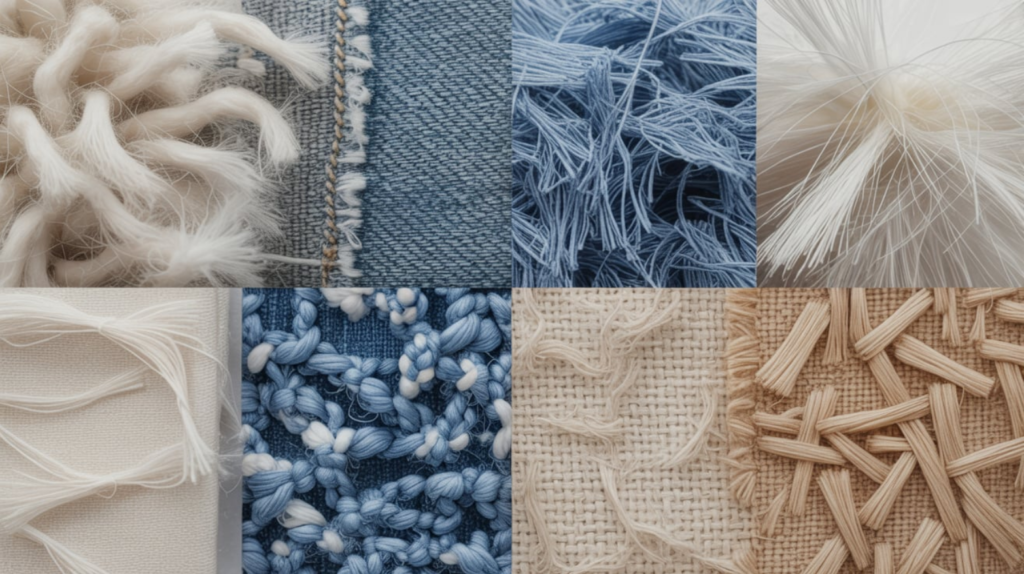
Some fabrics loosen quickly under stress, while others resist damage for years. Understanding this relationship gives you direct control over how long your clothes, upholstery, and household textiles will last.
In this guide, we break down fabric fraying by material type, showing how each fabric behaves, why it frays the way it does, and what that means for real-world care and prevention.
Why Fabric Type Changes How Fraying Happens
Fabric construction determines thread strength, weave tightness, and fiber stability.
Those properties, in turn, control how easily threads slip, break, or unravel when exposed to friction, washing, heat, and movement.
When people ask “why does this fabric keep fraying?” the most accurate answer is usually simple:
the material itself is designed that way.
Different fibers react very differently to the same stress. For example, cotton loosens as it softens, while synthetic fibers resist breaking but may still separate at the weave level. As a result, fabric type is the starting point for every fraying problem.
If you’re new to the topic, the foundation of this entire subject is explained clearly in
What Is Fabric Fraying, which introduces the mechanics behind the problem itself.
How Material Structure Controls Fraying Behavior
Each material is formed from a unique fiber structure.
Those fibers are then woven, knitted, or bonded together, creating patterns that either lock threads in place or allow them to migrate under pressure.
When tension, friction, or moisture enters the picture, the fibers respond based on their nature.
Natural fibers swell and relax. Synthetic fibers hold shape but may slip. Some fabrics stretch; others snap. Over time, these tiny reactions compound into visible fraying.
This is why two garments washed the same way can age completely differently, the material is quietly deciding the outcome.
The Main Fabric Categories That Fray Differently
The following material groups account for the majority of fraying problems people experience:
- Cotton fabrics — breathable, soft, and prone to loosening over time
- Denim — dense cotton weave that frays slowly but permanently
- Linen — rigid natural fibers that split under repeated folding
- Silk — delicate filaments that weaken rapidly from friction
- Wool — elastic fibers that resist fray but degrade with abrasion
- Polyester & synthetics — strong fibers that slip at the weave level
Each of these materials creates its own unique pattern of wear.
As we move through the supporting articles, you’ll see exactly how and why.
How These Articles Connect
This pillar page acts as the central reference for material-based fraying behavior.
Each supporting article explores one fabric group in detail, including causes, real-world problems, and practical solutions.
Here are the full guides:
- Cotton Fabric Fraying Problems
- Denim Fabric Fraying Issues
- Linen Fabric Fraying Explained
- Silk Fabric Fraying Causes & Prevention
- Wool Fabric Fraying Solutions
- Polyester & Synthetic Fabric Fraying
As you explore these, you’ll start noticing patterns, for example, when comparing natural fibers like cotton with man-made materials, polyester can fray very differently under the same conditions, even though the surface damage may look similar at first glance.
Why This Knowledge Changes How You Care for Fabric
Once you understand the role of material, fabric damage stops feeling random.
Every frayed edge becomes a clue, not a mystery.
Instead of guessing which product or method might help, you’ll know exactly why a certain fabric behaves the way it does, and what kind of care will slow the damage dramatically.
That shift, from reaction to understanding, is what protects your wardrobe, furniture, and textiles over the long term.
Final Clarity
Fabric fraying is not a defect of clothing or poor luck.
It is the natural response of each material’s fibers and weave to real-world stress.
When you understand the material, you understand the fraying.
That is the core reality behind every fabric problem, and the solution always begins with knowing your fabric.